


Lisbon’s Olympia Lis Hotel has been a concert hall, a jazz club, a cinema, and a ruin. Now it’s one of the most interesting new hotels in the city.
The Birth of the Olympia
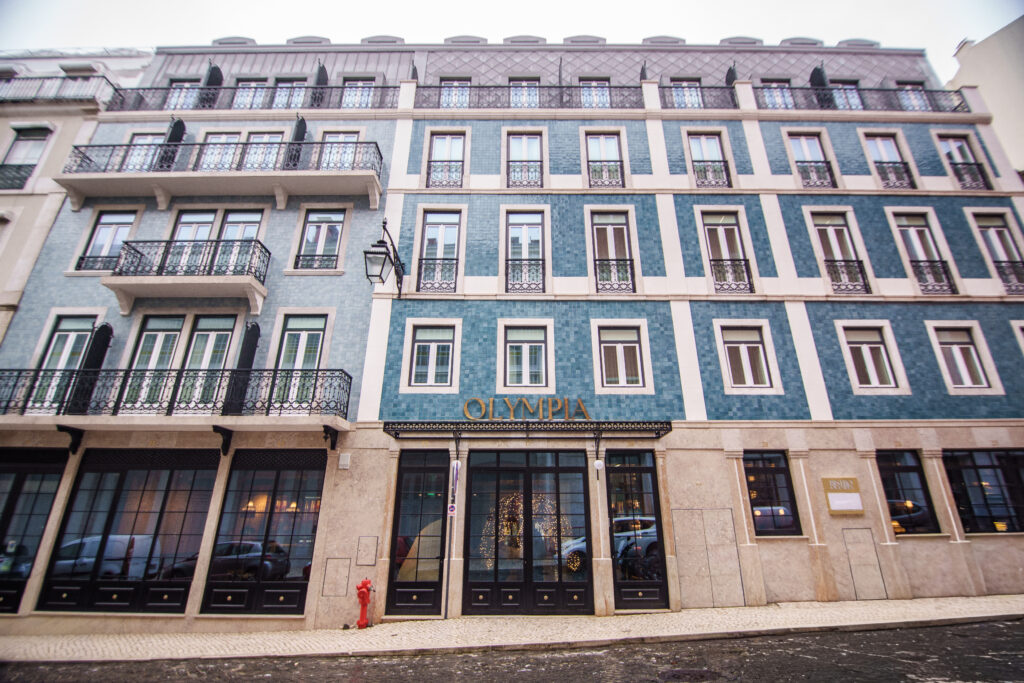
In 1911, Leopoldo O’Donnell, son of Irish immigrants who’d made Lisbon home, opened the Salao Olympia on Rua dos Condes, right by Praca dos Restauradores. It was never just a cinema. The building had concert halls, screening rooms, a reading room, a restaurant, and a projection booth so ahead of its time it was completely sealed off from the audience. The facade was classic Pombaline Lisbon, understated and elegant, but inside, it was built for spectacle.
Over the following century, the Olympia layered identity upon identity. It became the Olympia Club, one of Lisbon’s most celebrated jazz cabarets, running until 1959. In the 1920s it was among the first venues to screen Portuguese silent films. By the 1950s it programmed westerns and thrillers for mass audiences. After the Carnation Revolution of 1974 removed censorship, it pivoted to erotic cinema, closing definitively in 2001.
The 2026 Reinvention
In 2008, the theatre director Filipe La Féria acquired the property with plans to restore it as a genuine performance venue and performing arts school, a project that never advanced. The building sat dormant for over two decades, silent at last, its architecture intact but its future unwritten.
In 2026, José Frazão of Grupo Lis Hoteis took it on and turned it into a 60-room boutique hotel. He brought in architect Joao Reino, whose whole approach was about working with the building rather than against it, keeping the original Pombaline structure, the proportions, the street presence, while gutting and rethinking everything inside. The former auditorium got broken up vertically into some of the hotel’s most interesting rooms. From the street, nothing looks different. All the action is inside.
Designing from Behind the Curtain
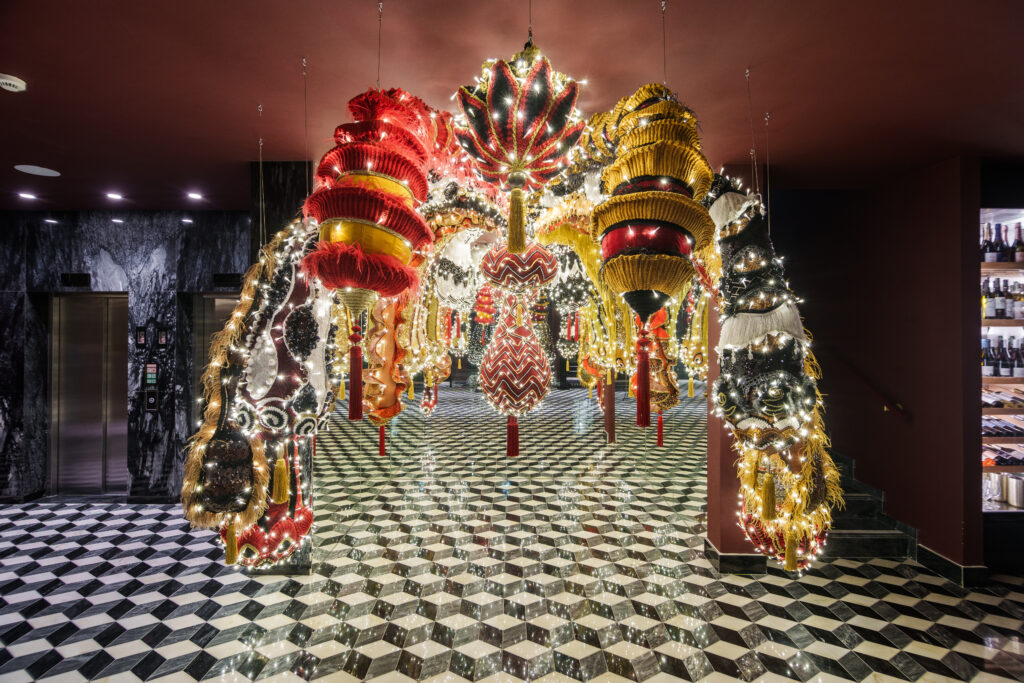
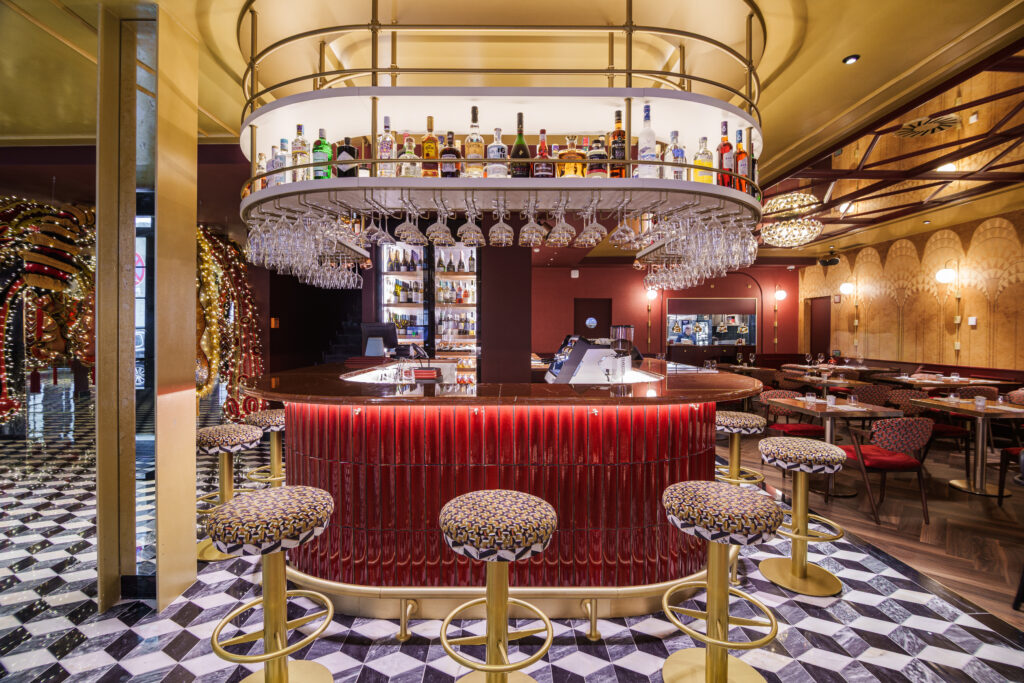
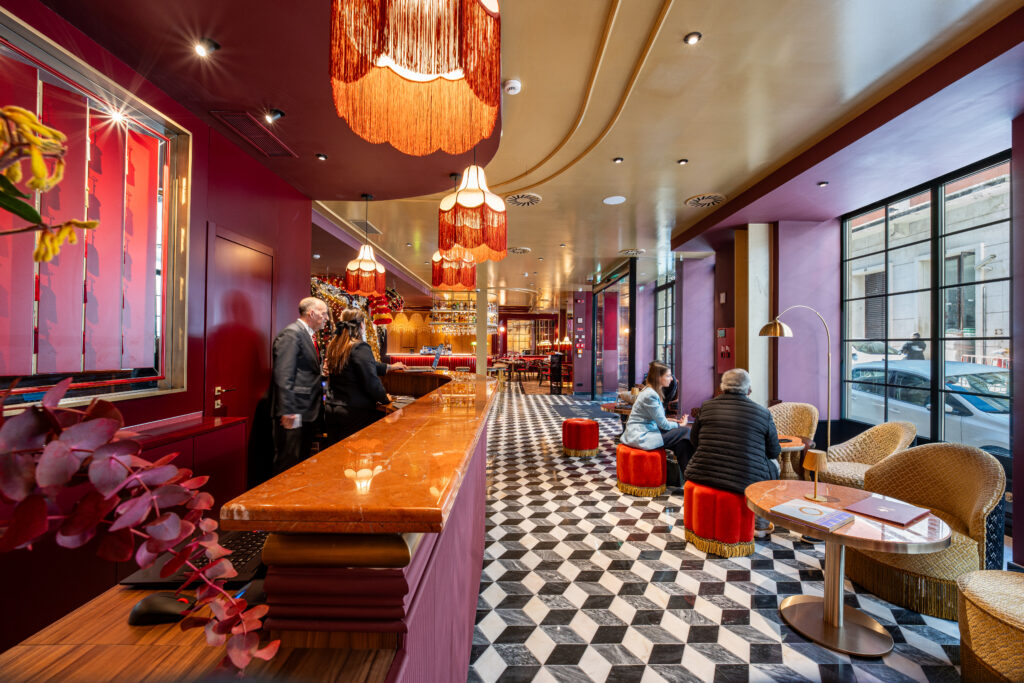
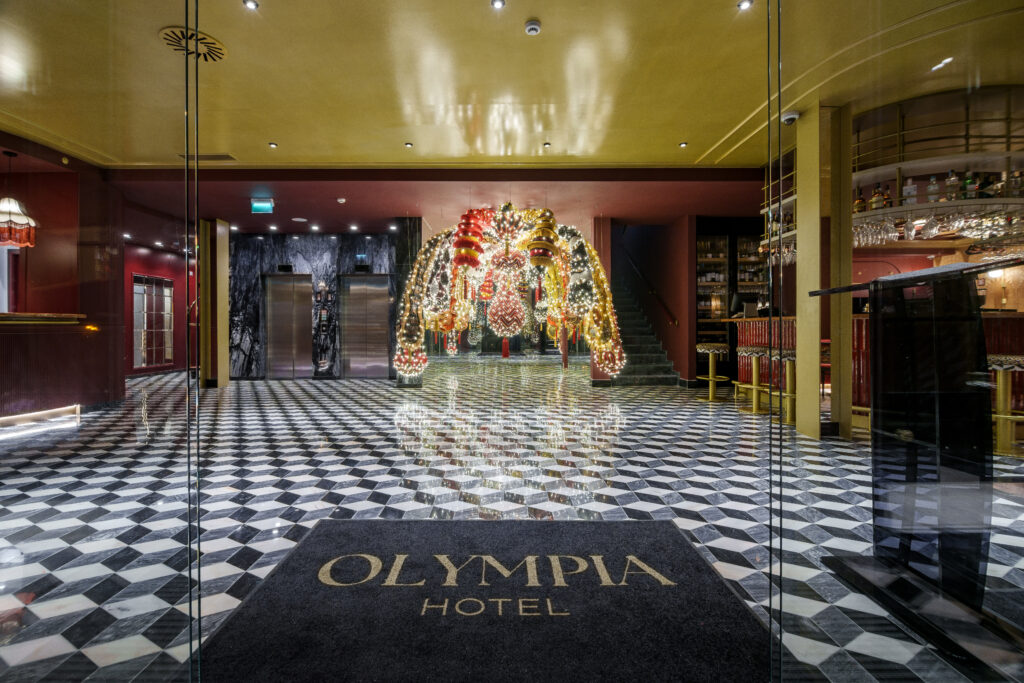
For the interiors, designer Cristina Santos Silva went deep into the building’s backstage world, literally. Not the stage itself, but the dressing rooms, the corridors, the velvet-and-shadow spaces where performers got ready. The result is warm and a bit moody: deep ochres, near-blacks, rich textures, lighting that feels more film set than hotel lobby. Portuguese artists painted figures like Amalia Rodrigues directly onto the walls. And at the center of it all is a piece by Joana Vasconcelos from her Valkyries series, one of Portugal’s biggest names in contemporary art, with work in Versailles, the Guggenheim Bilbao, and the Venice Biennale.
The rooms lean into the theatre theme without being weird about it. The Camarins (literally ‘dressing rooms’) are moody and personal, with hand-picked art and king-size beds. The Mansarda suites up top have sloped ceilings and private terraces with jacuzzis, the kind of architecture you can’t manufacture, you just find. The Artist’s Residence suites go furthest: private cinema lounges, exclusive art installations, their own dining space. More immersive art experience than hotel room.
The Interior Design Prize
In March 2026 it won the Interior Design Prize at Portugal’s Premio Nacional do Imobiliario. The jury called out its conceptual rigour, which is a formal way of saying the whole thing actually holds together. The Olympia Lis isn’t trying to be the 1911 version of itself, or the jazz club version, or the cinema. It’s all of those things at once, layered on top of each other. A building that’s been through it, and somehow came out looking better for it.