There is a particular kind of clarity that comes from being an outsider. You see the gaps that locals have long stopped noticing. Julie de Halleux, the Belgian founder of Lisbon by Design, saw one the moment she arrived.
“When I started six years ago, there was no real fair about collectible design in Portugal,” she says. “Nothing contemporary. Nothing with the creations that Portugal has to offer. When I realised that, I decided to do it myself.”
A car, a hunch and a lot of garages
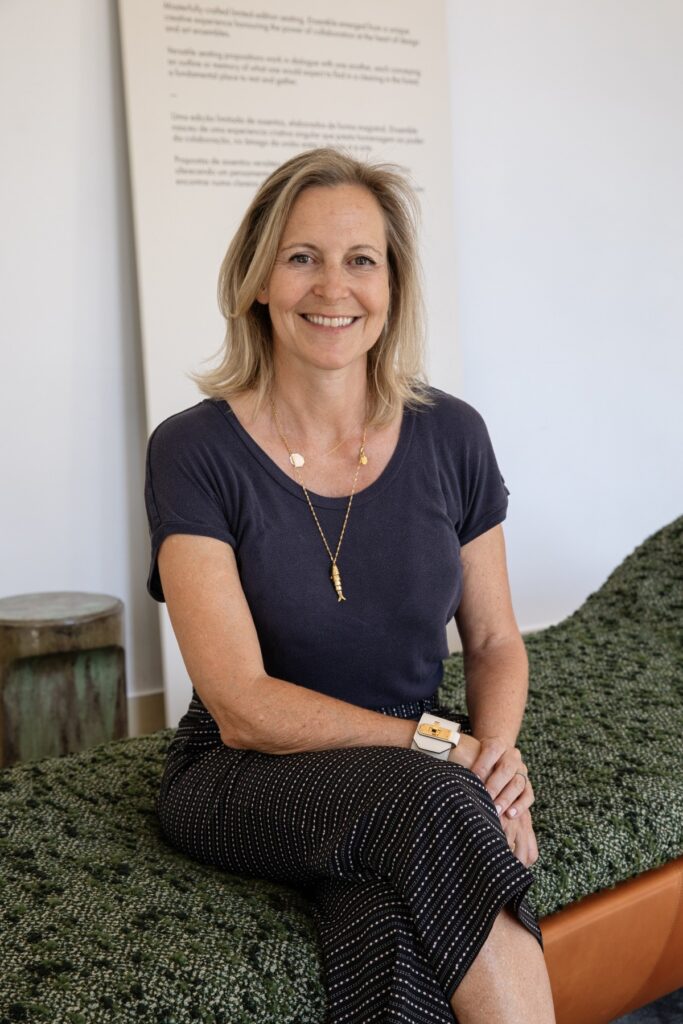
De Halleux came to this through adjacency. She was working on real estate and interior design projects in Lisbon when she started noticing the talent around her, from ceramicists to textile makers, producing extraordinary work in near-total obscurity.
These artists, she observed, weren’t communicating what they did. They existed in workshops and studios, seen by almost no one outside a small local circle.
So she went to find them. Literally.
“In the beginning, I took my car and went to garages and places I didn’t even know in Lisbon,” she recalls. “That was the beginning and it was fun.”
The first edition launched during COVID, an act of stubbornness as much as optimism. The format then was broader, more exploratory. But by year two, she had sharpened the focus: made-in-Portugal collectible design only, with every piece created specifically for the fair. Not existing inventory. Not portfolio work. Something new, made for this.
That demand changed everything.
Quality, Originality and Tradition
Ask de Halleux what she looks for and she doesn’t hesitate: quality first, then originality, then something harder to name, the moment when tradition is reinterpreted through a contemporary eye.
“It’s very different from what you find in other places,” she says of Portuguese design. “Tradition is still very important within the scene but the designers are working with it in new ways.”
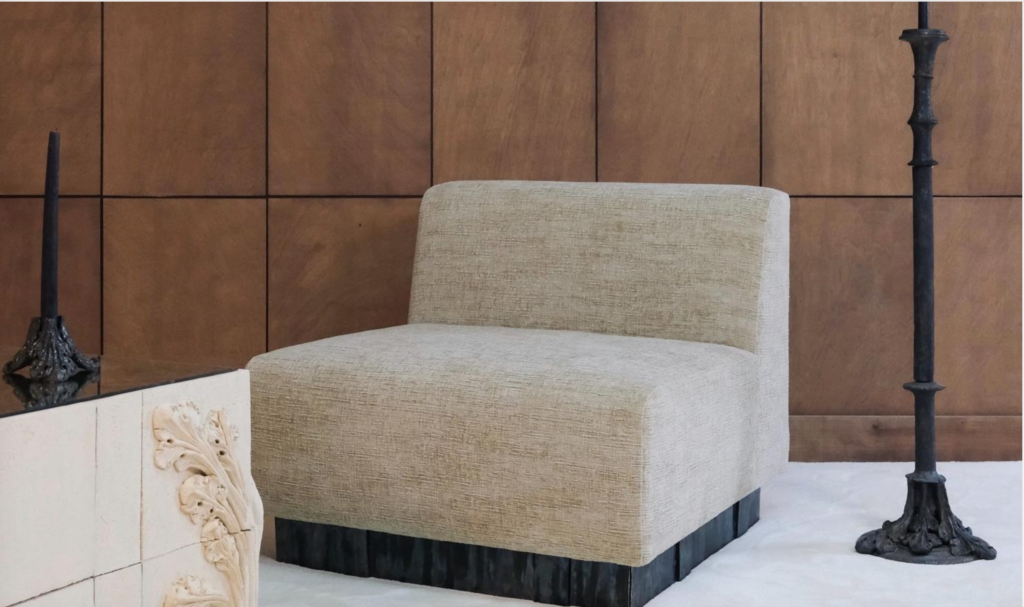
This year’s edition makes that tension vivid. One designer is presenting furniture made with salt as a structural and aesthetic material. Another brings a new collection that merges marble and wood, shaped equally by his Argentinian roots and his Lisbon present.
“The Portuguese designers are inspired by the international ones, and the other way around too,” she says. “It’s like a laboratory of ideas.”
She is the curator, but she is careful not to be the author. Designers submit mood boards and proposals, de Halleux reads the DNA, checks it against her criteria, and then steps back.“We are not the artists,” she says. “They have to express themselves. And sometimes the result goes so much further than what was in the mood board, even for me it’s a surprise every year.”
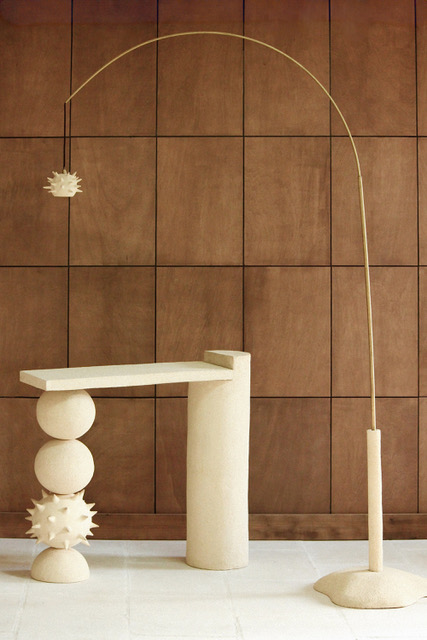
More Rooms, more Risk
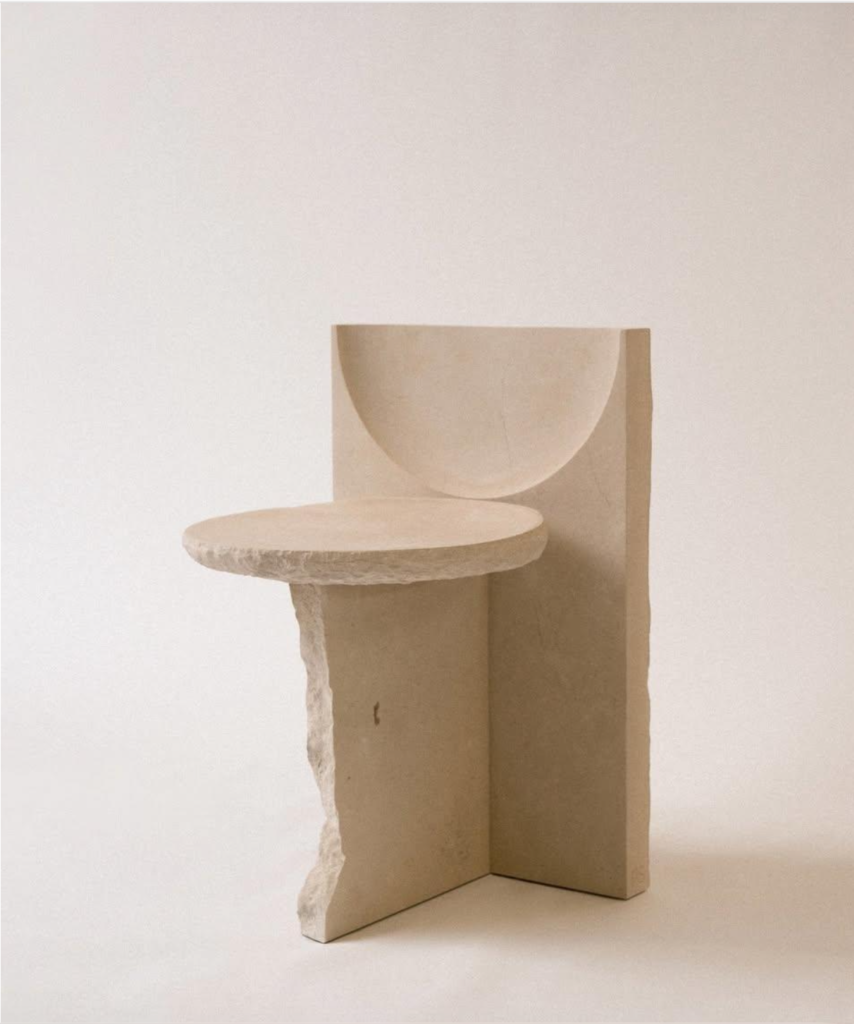
This year’s edition is the largest yet. Twice the participating designers. More immersive experiences. And, for the first time, a curated group show, a lighter format designed to welcome younger designers not yet ready to mount a full solo presentation, but too good to be left out.
“All the artists want to come back,” she says. “But sometimes they can’t, because they don’t have time to develop a whole collection. So we wanted to create another way in.”
The installations have grown bolder across editions. The fair is increasingly less a commercial showcase and more a series of encounters.“They come to be seen,” de Halleux says. “They come to express themselves the best they can, to show what they are working on at the moment. It’s more a marketing and communication fair than a commercial fair. Everything is for sale, but that’s not the point.”
Giving something back
There is a thread of gratitude running through how she talks about all of it. De Halleux is, as she readily acknowledges, a foreigner who chose Lisbon. The fair was always partly an act of reciprocity, a way of contributing to the country and the creative community that had given her a home.
Six years on, Lisbon by Design has grown into something she perhaps didn’t fully anticipate: a platform, a yearly marker on the industry calendar, a reason for international press to make the journey.
“Lisbon is becoming attractive to foreigners not just to visit,” she says, “but as a design destination. And that’s very particular because what it offers is still unique.”
The gap she noticed has been filled. By her own hands, and everyone she invited in.